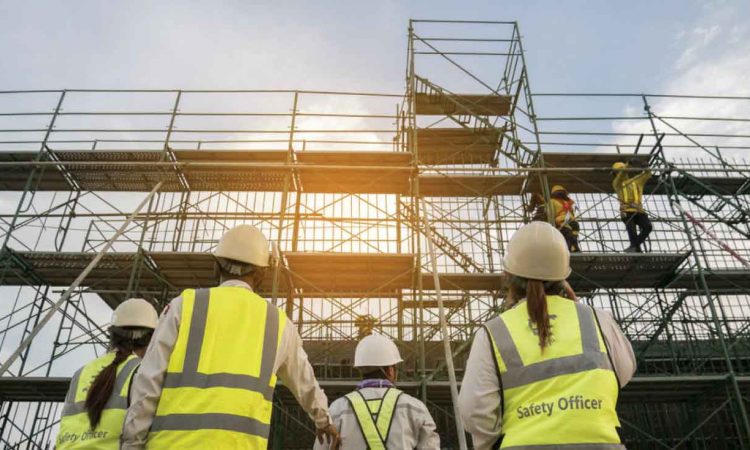
The role of a scaffolding engineer is crucial for ensuring the safety and stability of structures during the construction process. Scaffolding engineers are responsible for designing, implementing, and overseeing the erection of scaffolding systems, which provide support and access to workers at elevated heights.
Responsibilities of a Scaffolding Engineer
Designing scaffolding systems: One of the primary responsibilities of a scaffolding engineer is to create detailed designs for scaffolding systems based on project requirements and regulations.
Ensuring compliance: Scaffolding engineers must stay up-to-date with safety regulations and industry standards. They should meet all relevant codes and regulations, such as OSHA (Occupational Safety and Health Administration) guidelines. They regularly inspect to verify the integrity of the scaffolding and address any potential hazards promptly.
Collaborating with project teams: Scaffolding engineers work closely with architects, construction managers, and other professionals involved in the project. They collaborate to understand project requirements, provide technical advice, and incorporate scaffolding systems into the overall construction plans.
Managing scaffolding projects: Scaffolding engineers oversee the entire process of scaffolding erection, from procurement to dismantling. They estimate the required materials, coordinate deliveries, and manage the assembly and disassembly of scaffolding systems.
Skills Required for a Scaffolding Engineer
Strong technical knowledge: Scaffolding engineers must have a solid understanding of engineering principles, structural analysis, and construction techniques. They should be familiar with different types of scaffolding systems, their components, and their applications.
Attention to safety: Safety is paramount in the construction industry, and scaffolding engineers play a vital role in ensuring the well-being of workers. They must have a deep understanding of safety regulations, risk assessment, and fall protection measures. Attention to detail and a proactive approach to identifying potential hazards are essential attributes for a scaffolding engineer.
Problem-solving abilities: Scaffolding engineers must possess strong problem-solving skills to overcome obstacles and find innovative solutions. Adapting designs to unique project requirements, addressing site-specific constraints, and resolving unexpected issues are all part of their responsibilities.
Communication and teamwork: Scaffolding engineers work with multidisciplinary teams. Hence, effective communication skills are essential for understanding project requirements, explaining technical concepts, and coordinating with team members.
The role of a scaffolding engineer is vital for ensuring the safety and efficiency of construction projects. By fulfilling these responsibilities and leveraging their skills, NadeauSDM ingénieur échafaudage contribute significantly to the successful completion of construction projects while prioritizing the well-being of workers at elevated heights.