

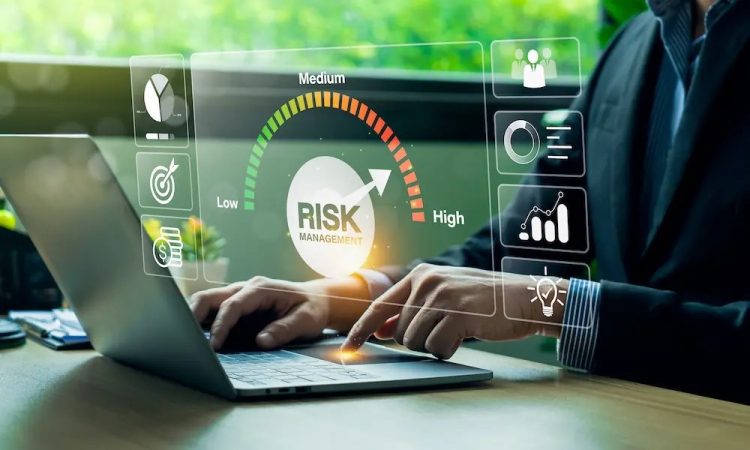
Risk is not always loud. It doesn’t really show up as a big issue at first. Most times, it begins small easy to brush off. A slight delay here. Something not updating there. Just little things that feel a bit off, but not enough to stop and question it right away. Over time, these things build. That is usually when businesses begin looking at risk management software as a way to bring some order into what feels scattered.
Why risk awareness matters in growing organizations
- As a business grows, things spread out. More people, more processes, more moving parts.
- At first, it feels manageable. Then small gaps start appearing. Not everything gets noticed right away.
- Risk awareness helps in noticing early signals. Not all risks can be avoided. But some can be reduced before they grow.
Types of risks businesses usually encounter
Risks are not always dramatic. They show up in different forms. Sometimes in operations, sometimes in decisions.
Common areas include:
- Delays in processes
- Miscommunication between teams
- Data related issues
- External changes affecting plans
Not all risks look serious at first. Some feel minor. Still, they matter over time.
How tracking systems simplify complex processes
When things are not tracked, they become harder to follow. People rely on memory. Or scattered notes. Tracking systems bring things together.
They help:
- Record events clearly
- Follow progress over time
- Identify patterns that repeat
It does not remove complexity. But it makes it visible.
Benefits of early detection and quick response
Catching something early changes the outcome. A small issue handled early stays small.
Ignored, it grows.
Quick response helps:
- Reduce impact
- Avoid repeated problems
- Keep processes steady
Not every issue can be caught early. But many can.
Choosing tools based on business requirements
Not every tool fits every business. Some need basic tracking. Others need deeper systems.
Choosing depends on:
- Business size
- Type of operations
- Level of risk exposure
- Team structure
There is no universal setup. It depends on what the business needs.
Common gaps seen in risk handling approaches
Many businesses think they are managing risks well. Until something slips.
Common gaps include:
- Lack of proper documentation
- No clear tracking method
- Delayed responses
- Over reliance on manual processes
These gaps do not always show immediately. They appear over time.
When systems start reducing confusion
At first, systems can feel like extra effort. More steps. More input. Then slowly, things become clearer. People know where to look.
They know what is happening. And confusion reduces. Not completely. But enough to notice.
Balancing control without slowing down operations
Too much control creates delay. Too little creates disorder. A balance is needed.
Systems should:
- Keep processes visible
- Allow flexibility where required
- Avoid unnecessary complexity
This balance is not fixed. It changes over time.
How better visibility improves decision making
When information is clear, decisions become easier. Not faster always. But clearer.
People rely less on guesswork. They refer to actual data. That shift improves consistency. Even if it takes time to build.
When businesses realize the need for structured tools
There is usually a point where manual handling stops working. Things feel harder to track. More effort is needed for simple tasks. That is when structured tools start making sense. Not because of failure. But because of growth.
Why many organizations move toward integrated systems
Using separate tools for different processes can feel disconnected. Information stays in parts. Tracking becomes difficult. So integrated systems become useful.
In a lot of situations, risk management software just pulls everything into one place. So instead of jumping between different tools, you can keep an eye on things, track what’s going on, and respond when needed without all that back and forth. But it reduces scattered handling.
Managing risks effectively
Risk will always exist in some form. It cannot be removed completely. But it can be handled better. Clear tracking, better visibility, and timely response make a difference over time. And that difference builds slowly, not all at once.


