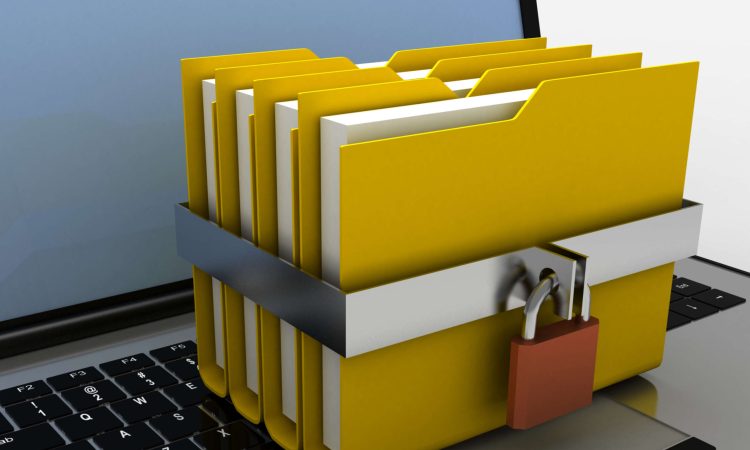
In today’s business environment, information security is just as important as information availability. Companies across all industries handle contracts, financial statements, personnel files, and legal records that must remain protected for many years. This is where secure document storage becomes a vital component of professional document management and long-term risk prevention.
Secure document storage is not only about preventing unauthorized access. It is a comprehensive system designed to protect documents against loss, damage, misuse, and compliance failures while ensuring they remain accessible when legitimately required.
What Is Secure Document Storage?
Secure document storage refers to structured methods of storing physical and digital records in environments specifically designed to protect sensitive information. These solutions combine physical security, controlled access, and procedural safeguards to ensure documents remain confidential and intact over time.
A reliable document storage strategy addresses both immediate security needs and long-term preservation requirements, especially when records must be retained for regulatory or legal reasons.
Why Secure Document Storage Is Essential
Data breaches, lost files, and improper handling of documents can have serious consequences. Beyond financial loss, organizations may face legal penalties, reputational damage, or operational disruption.
Secure document storage helps organizations:
- Prevent unauthorized access to confidential information
- Reduce the risk of theft, loss, or accidental destruction
- Maintain compliance with data protection regulations
- Protect records throughout their entire lifecycle
When combined with long term document storage principles, security becomes a continuous process rather than a one-time measure.
Secure Records Storage and Information Protection
Secure records storage focuses on safeguarding records that contain sensitive or regulated data. These may include financial documents, employee records, medical files, or legal documentation.
Effective secure records storage typically involves:
- Restricted access based on roles and permissions
- Monitoring systems such as surveillance or access logs
- Secure handling procedures during transport and retrieval
- Controlled environments to prevent deterioration
For digital documents, additional layers such as encryption and authentication ensure that stored data remains protected even over extended periods.
Physical Secure Document Storage
Despite digital transformation, physical documents are still widely used and often legally required. Secure document storage for physical records focuses on protecting original files from both human and environmental threats.
Key features of secure physical document storage include:
- Locked and access-controlled storage areas
- Fire-resistant and climate-controlled environments
- Organized shelving and labeling systems
- Document tracking and retrieval logs
When combined with long term records storage practices, physical document storage ensures documents remain readable, intact, and secure for years.
Digital Secure Document Storage
Digital solutions play a major role in modern document storage strategies. Secure digital document storage enables organizations to store, manage, and retrieve information efficiently while maintaining high security standards.
Secure digital storage solutions emphasize:
- Encrypted data storage
- User authentication and permission controls
- Regular backups and redundancy
- Audit trails for access and modifications
Digital storage supports long term document storage by reducing physical risks and improving accessibility without compromising security.
Compliance and Secure Document Storage
Compliance requirements often dictate how documents must be stored and protected. Regulations may specify retention periods, access limitations, and destruction protocols.
A compliant secure document storage strategy includes:
- Defined document retention schedules
- Clear access control policies
- Secure destruction methods for expired records
- Documentation of storage and access procedures
Secure records storage ensures that documents remain available, unchanged, and verifiable during audits or legal reviews.
Accessibility Without Compromising Security
One of the challenges of secure document storage is balancing protection with accessibility. Documents must be secure, but also retrievable when needed for business operations, audits, or legal matters.
Well-designed document storage systems focus on:
- Efficient indexing and classification
- Controlled but fast retrieval processes
- Accurate record tracking
- Regular system audits
By maintaining this balance, organizations avoid delays while keeping sensitive data protected.
Cost Benefits of Secure Document Storage
While secure document storage requires investment, it often leads to long-term cost savings. Poor document handling can result in fines, lost productivity, or costly data recovery efforts.
Financial advantages include:
- Reduced risk of compliance penalties
- Lower internal handling and storage costs
- Improved operational efficiency
- Predictable and scalable storage expenses
Secure records storage supports financial stability by minimizing avoidable risks.
Best Practices for Secure Document Storage
To maintain high security standards over time, organizations should follow proven best practices:
- Develop and enforce document security policies
- Limit access to sensitive records
- Separate active documents from archived materials
- Regularly review storage procedures
- Implement secure destruction for obsolete records
These practices strengthen both short-term security and long term document storage reliability.
The Role of Secure Storage in Long Term Records Management
Secure document storage plays a central role in long term records storage. As documents age, their value often increases due to legal or historical importance. Maintaining security throughout this period ensures documents remain trustworthy and usable.
Long-term secure storage protects records against gradual risks such as unauthorized access, environmental damage, or procedural errors.
Conclusion
Secure document storage is a fundamental requirement for organizations that value information integrity, compliance, and operational continuity. By implementing structured, secure records storage solutions, businesses protect sensitive documents while ensuring long-term accessibility and reliability.
When combined with long term document storage strategies, secure document storage becomes a powerful tool for risk management, compliance assurance, and confident information governance.