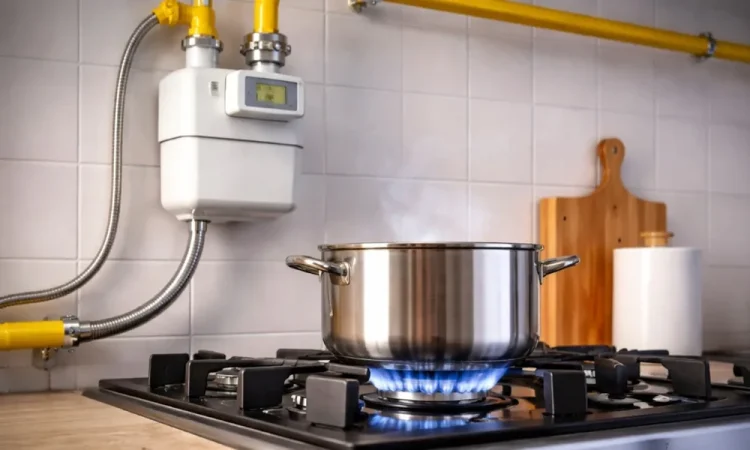
For people who build homes and for those who look after sites, it is important to keep work on water, power, and gas set-ups on time. This will help to make sure that new homes are good to go as planned and will not cost more than they should. Doing work for mains, getting plumbing workers, knowing where to put meters, and getting the go-ahead from energy sellers need good planning from the start. There must be clear talks between all who are involved. If one step in the set-up is late, it can stop people from getting approval to move in. This can also slow down when the owners can get their new homes.
When you work with new homes, setting up a new home gas connection should be done in the right way. This helps everyone in the team, like gas installers, fit well into what needs to be done on-site. If builders think of gas connections as an important part of building, and not just something they do last, it can help stop delays and save money when building comes close to the end.
Step 1: Early Availability Checks & Network Application
Before you dig or pour the slab, be sure that there is reticulated natural gas near the street.
- Look for the Availability: Make sure the main supply is enough from the start. This will help you avoid changing your plans down the road.
- Go Over Local Rules: Make sure the place where you will build meets local rules for natural gas.
- Send in Forms Early: Give all connection requests early. A good gas worker can send these for the whole team so you get approved sooner.
Step 2: Engaging Qualified Gas Fitters
Licensed gas fitters handle the pipes inside your place. They also take care of starting up your gas appliances. If you get your trade contractors to join early, site plans can tell you the right gas needs.
- Trade Coordination: Be sure that your plumbing contractor has the right license. The contractor needs a special license for gas fitting and for work that uses high-pressure lines.
- Plumbing Layouts: Make pipe layouts match the wall frames and the foundation. This will help you avoid more costs later if you have to change something.
- Time Estimations: Talk to your team about when the work will be done. This makes it easy for appliance fitting to go with drywall and joinery work.
Step 3: Strategic Meter Location & Site Preparation
Putting meters in place needs good planning. It is important to follow safety rules in the area. You will need to think about how people get to the site. It is also key to know what the homeowner wants.
| Factor | Strategic Consideration |
|---|---|
| Accessibility | Position meters where network technicians can read and service them without restricted site access. |
| Site Safety | Keep clear of driveway clearance zones, low-hanging electrical drops, and structural hazards. |
| Architectural Integration | Coordinate placement with house elevation drawings so the meter box does not disrupt street appeal. |
Step 4: Synchronizing Pipework and Appliance Rough-In
To avoid delays when you move on to the next stage of work, make sure you plan the inside pipework at the same time as other jobs. These jobs are putting in the wires and putting in the main water and drain pipes.
Site is getting set up ──► Inside work is being done ──► Main pipe is getting connected ──► Retailer signs are being finished
- Have Detailed Plans On-Hand: Keep clear plans for the building and land close by at the place where work will be. The contractors have to look at what is underground first. They need to know how water moves and where the electric cables are before they dig or make a hole.
- Appliance Installation: Put in cooktops, hot water systems, and heating units once the wall linings and cupboards are in.
Step 5: Meter Installation and Retailer Account Set-Up
After the inside pipes are checked for pressure and all the appliances are put in, the site is set for the final step. Now, it is time to turn everything on.
- Safety Testing: The people who work on the line look for leaks in the service line and the parts inside. They also make sure all things are done right and follow the rules.
- Meter Mounting: The workers will put in the meter unit after the safety work is done.
- Retailer Setup: You need to pick a gas supplier and set up a plan. This helps your meter get unlocked and turned on right away before the work is done.
Step 6: Practical Completion & Handover to Homeowners
Before you finish and walk through the place with your client, you should do a full handover check:
- Make sure the gas fitter gives a Certificate of Compliance for all work done inside.
- Put clear labels on main isolation valves and make sure site managers know what to do if there is an emergency shut-off.
- Give the homeowner simple instructions for using new gas heating, hot water, and kitchen appliances.
Conclusion
To get things like gas into a home, you need to manage every step in a careful way. Start with a simple checklist for your work site. Talk early with skilled workers and keep up with what their teams do. This helps home builders make sure the work does not slow down. If you add a new home gas connection to your main plan, you get your gas meter fitted when you need it. This keeps the building work on time and helps give people their homes without big delays.