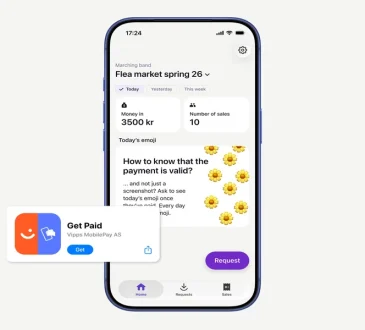
An easy loan app can reduce the effort involved in applying for credit by allowing users to complete several steps digitally. Registration, document upload, eligibility checks, loan tracking and repayment information may all be available through a mobile interface.
The convenience is useful, but the financial decision behind the app remains important. Borrowers still need to understand the amount they are taking, the cost of that borrowing, the repayment schedule and how the new EMI will affect their monthly budget.
A simple application process should therefore be treated as a convenience feature rather than a reason to borrow.
How Much Do You Actually Need To Borrow?
Start with the expense rather than the loan app or the amount displayed as eligible. The purpose of borrowing can vary considerably, from medical or education expenses to home repairs, travel, family requirements, business needs or a temporary cash-flow shortage.
Once the purpose is clear, calculate the amount required to meet that specific need.
Borrow For The Requirement, Not The Limit
An app may indicate that you qualify for a larger amount than you originally intended to borrow. Taking the full amount can increase your EMI, total interest and overall debt obligation.
A useful starting point is to ask:
“What amount do I need to meet the expense comfortably?”
The answer may be lower than the maximum amount available.
What Will The Loan Really Cost?
The interest rate is only one part of the borrowing cost. Before accepting an offer, look at the complete set of charges associated with the loan.
Check whether the offer includes:
- Processing fees
- Applicable taxes
- Documentation charges
- Late-payment fees
- Prepayment charges
- Foreclosure charges
The amount shown as approved is also not necessarily the same as the amount that reaches your bank account.
Two Figures Can Give A Clearer Picture
When reviewing a loan offer, focus on these two amounts:
Amount received: The actual money credited after applicable deductions.
Total repayment: The amount you are expected to repay over the entire loan tenure.
Comparing these figures can provide a clearer understanding of the financial commitment than looking at the headline interest rate alone.
Is The Displayed Eligibility Final?
Not necessarily.
Some digital lending platforms provide an initial eligibility indication based on information entered by the applicant. The final sanctioned amount may change after the lender verifies the application.
The final assessment can take into account:
- Income
- Employment information
- Credit history
- Existing financial obligations
- Age
- Documents provided
- Lender-specific criteria
For this reason, avoid making important financial commitments based solely on an initial eligibility figure.
Test The EMI Against Your Existing Budget
Before accepting the loan, calculate how the proposed EMI would fit into your normal monthly finances.
Start with your monthly income and account for regular commitments such as rent, groceries, utilities, existing EMIs, insurance, education and transportation.
Then consider how much remains for savings and unexpected expenses.
A manageable EMI should leave room for more than just the scheduled repayment.
Leave Space For Unexpected Expenses
Monthly budgets can change because of medical expenses, vehicle repairs, household emergencies or temporary income disruptions.
If the new EMI consumes almost all of the available surplus, even a relatively small unexpected expense could create pressure on repayment.
Maintaining an emergency reserve can provide some flexibility and may reduce the need to take another loan when an unplanned expense occurs.
Make The Final Decision After Checking Three Things
Before accepting a digital loan offer, bring the assessment together:
- Need: Is the amount actually required?
- Cost: What will you receive and what will you repay?
- Affordability: Can the EMI fit within your budget while leaving room for unexpected expenses?
Looking at all three together can help borrowers understand the commitment before proceeding with the application.
Digital Access Can Help With Financial Organisation
A finance app may combine several money-related functions, such as account access, repayment tracking, notifications or product information.
That can make management easier, but users should still evaluate each financial product separately.
Convenience Should Not Replace Comparison
Before accepting a loan, compare:
- Interest rate
- EMI
- Tenure
- Processing cost
- Total repayment
- Prepayment terms
- Customer support
A well-designed app does not automatically mean every loan offer inside it will suit every borrower.
Start By Looking At The Repayment Timeline
The loan tenure affects more than the monthly EMI. It also influences how long the debt remains outstanding and how much interest may accumulate over the repayment period.
A shorter tenure can mean higher monthly payments but a shorter repayment period. Extending the tenure may reduce the monthly burden while keeping the loan active for longer.
Run Different Repayment Scenarios
Before selecting a tenure, compare the available options based on:
- Monthly EMI
- Total interest payable
- Total repayment
- Effect on monthly cash flow
Choosing the smallest EMI may make monthly budgeting easier, but it does not necessarily result in the lowest overall borrowing cost.
Keep Future Prepayment Options In Mind
Your financial situation may change after taking the loan. A salary increase, bonus or additional income could make it possible to reduce the outstanding principal earlier.
Before borrowing, find out what the lender permits.
Questions worth checking include:
- Can you make partial prepayments?
- Is full foreclosure permitted?
- Is there a lock-in period?
- Are any charges applicable?
- Is there a minimum prepayment amount?
Knowing these conditions in advance can help you understand how much flexibility you may have later.
Treat Your Phone As Part Of The Security Chain
A loan app can handle sensitive personal and financial information, so digital security should be considered before submitting an application.
Download financial apps only through verified app stores or official lender channels and check that you are dealing with the intended service.
Never Give Away Your Authentication Details
Legitimate support should not require you to disclose confidential authentication information such as:
- OTPs
- UPI PINs
- Banking passwords
- Card PINs
- App login credentials
Be particularly cautious when someone contacts you unexpectedly and promises faster approval or another benefit in exchange for these details.
Check What The App Can Access
Permission requests deserve attention because financial applications may ask for access to different device functions.
Depending on the service, permissions could involve the:
- Camera
- Storage
- Location
- Notifications
Before granting access, consider whether the requested permission is relevant to the feature you intend to use.
If an application requests access that appears unnecessary, review the permission settings and determine whether that access can be restricted.
Your Repayment Record Continues After Approval
Getting the loan is only the beginning of the borrowing relationship. Repayment behaviour can have financial consequences beyond the immediate EMI.
A missed or delayed instalment may lead to:
Extra costs → Collection communication → Potential credit-reporting consequences
To reduce the risk of missing a due date, borrowers can maintain sufficient funds in the repayment account and keep track of upcoming instalments.
When Easy Access Becomes A Borrowing Problem
Digital lending can make it convenient to apply for additional credit. That convenience can become difficult to manage when new borrowing is repeatedly used to cover existing obligations.
Consider these as warning signs:
- Using borrowed money for routine household expenses
- Taking a new loan to repay an existing EMI
- Frequently missing payment dates
- Using savings to keep up with repayments
- Managing several active loans simultaneously
Pause Before Adding Another EMI
If borrowing is becoming frequent, review the underlying monthly cash flow before taking on another obligation.
Reducing discretionary expenses, reassessing existing commitments or rebuilding an emergency buffer may address the underlying pressure without adding another repayment.
Know Where To Go When Something Goes Wrong
Customer support becomes particularly important when there is an application problem, repayment issue or account-access difficulty.
Before relying on an app, check whether it provides clear channels for:
- Application-related queries
- Repayment concerns
- Account-access issues
- Document clarification
- Loan closure requests
Support may be available through in-app assistance, telephone support, email or a ticketing system.
Keep complaint or ticket reference numbers for issues that require further follow-up.
Give The Loan A Clear Purpose
An easy application process should not be confused with a reason to borrow.
Before proceeding, be able to answer three basic questions:
Why do I need the money?
How much do I actually need?
How will I repay it until the loan ends?
A clearly defined purpose can make it easier to assess whether the borrowing fits into your wider financial plan and whether the resulting repayment obligation is manageable.
Conclusion
An easy loan app can simplify the digital borrowing journey, but the quality of the decision depends on affordability, total cost and repayment discipline rather than application speed alone.
Borrowers should compare interest, charges, tenure, EMI, net disbursal and security before accepting any offer. A small loan app may provide access to lower-value borrowing options, but even a smaller loan should be reviewed with the same care because it still creates an ongoing repayment obligation.
The most responsible approach is to borrow only what is required, keep the EMI within the monthly budget and maintain enough financial flexibility for unexpected expenses.
FAQs
1. Why Can An Easy Loan App Still Require Several Verification Steps?
Digital applications may simplify submission, but lenders can still need identity, income, credit and employment verification before final approval.
2. Can A Small Processing Fee Make A Meaningful Difference?
Yes. Processing charges reduce the amount received and can affect the effective borrowing cost, especially on lower-value loans.
3. Should I Select A Longer Tenure Just To Reduce The EMI?
Not automatically. A longer tenure can lower the monthly payment but may increase the total interest paid.
4. Why Is Net Disbursal Important When Comparing Loan Offers?
Net disbursal shows the actual amount credited after applicable deductions, which may be lower than the sanctioned amount.
5. When Should I Reconsider Taking Another Digital Loan?
If existing EMIs are already difficult to manage, savings are falling, or new debt is being used to repay old debt, additional borrowing may increase financial pressure.