Echo is one of those things people don’t always notice right away—but once you do, it’s hard to ignore.
You might be in your living room, on a call, or sitting in a meeting space, and something just feels off. Voices don’t sound as clear, sounds seem to linger, and the whole space feels a bit louder than it should.
That’s usually a sign that sound is bouncing around too much.
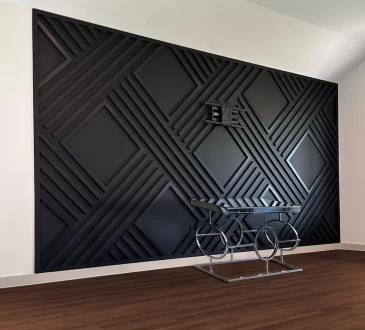
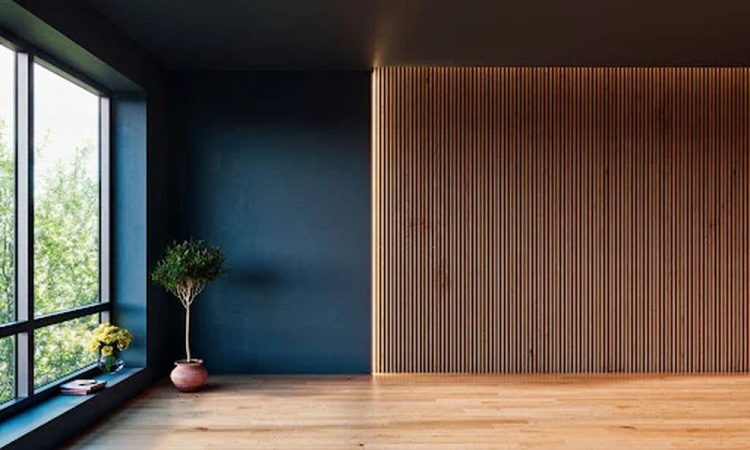
And in many setups, this is exactly where acoustic sound panels for homes and offices start to make a noticeable difference.
Why Echo Shows Up In The First Place
Echo isn’t really about volume—it’s about reflection.
When sound hits hard surfaces like:
- Bare walls
- Glass panels
- Tiled floors
- Concrete ceilings
…it doesn’t get absorbed. It bounces.
Now imagine that happening multiple times in a room. Sound reflects off one surface, then another, then another. Before you know it, everything overlaps.
That’s when you get:
- That slight “ring” after someone speaks
- Words blending together
- A space that feels noisier than it actually is
Modern interiors, especially in homes and offices, tend to use a lot of these hard materials. So even nicely designed spaces can end up with echo issues.
What Acoustic Panels Actually Fix
The role of sound absorbing panels is pretty straightforward—they reduce those reflections.
Instead of sound bouncing endlessly, the panels:
- Absorb part of the sound energy
- Shorten how long sound lingers
- Reduce the overall “echo effect” in the room
The result isn’t silence. It’s clarity.
You’ll notice:
- Conversations sound more direct
- Less overlap between voices
- A calmer overall sound environment
It’s one of those changes that feels subtle at first, but quickly becomes something you don’t want to go without.
How This Plays Out In Real Homes
Echo problems aren’t just an office issue—they show up a lot in homes too.
Especially in spaces with:
- Open layouts
- High ceilings
- Minimal furniture
- Hard flooring like tiles or wood
You might notice it when:
- Watching TV and dialogue sounds unclear
- Taking calls and hearing your own voice bounce back
- Having conversations that feel oddly “loud”
Adding acoustic panels in the right areas, like feature walls or behind seating zones, can soften the space without changing how it looks too much.
It makes everyday activities feel more comfortable, whether it’s relaxing, talking, or even just spending time in the room.
Offices And Workspaces: Where Echo Becomes A Bigger Problem
In offices, echo tends to become more noticeable—and more disruptive.
That’s because there’s more going on at the same time:
- Multiple conversations
- Phone calls
- Movement and activity
Without proper sound control, everything starts to overlap.
You might experience:
- Difficulty focusing
- Conversations bleeding into each other
- A constant sense of background noise
This is where sound absorbing panels really come into play.
They help:
- Keep conversations clearer within smaller areas
- Reduce how far sound travels
- Make the environment feel less overwhelming
For meeting rooms, the difference is even more obvious. Discussions become easier to follow, and people don’t need to repeat themselves as much.
Placement Matters More Than People Expect
One common mistake is thinking panels will work the same no matter where they’re placed.
In reality, placement plays a big role.
Panels are most effective when installed:
- On walls where sound reflects directly
- Near conversation areas
- Across from large reflective surfaces
For example:
- Behind a TV wall in a living room
- Along meeting room walls
- In open office zones where sound tends to spread
You don’t always need to cover every surface. Even a few well-placed panels can make a noticeable difference.
It’s Not About Removing Sound Completely
A lot of people expect panels to make a room quiet.
That’s not really the goal.
Even with acoustic panels, you’ll still hear:
- Conversations
- Movement
- Everyday activity
What changes is how those sounds behave.
Instead of bouncing around and building up, they stay more controlled.
So the space feels:
- Less echoey
- Less tiring to be in
- More comfortable overall
Why The Difference Feels Bigger Than It Looks
Visually, adding panels might seem like a small change.
But acoustically, the impact can feel much bigger.
That’s because sound affects how we experience a space in ways we don’t always notice right away.
When echo is reduced:
- Communication improves
- Focus becomes easier
- The environment feels more relaxed
It’s not just about fixing a problem—it’s about improving how the space works day to day.
Final Thoughts
Echo problems don’t always come from obvious issues—they’re often the result of modern design choices and everyday materials.
That’s why they show up in both homes and offices more often than people expect.
The good news is, solutions don’t have to be complicated.
With the right placement, sound absorbing panels can:
- Reduce echo
- Improve clarity
- Make spaces feel more comfortable and usable
And once you experience that difference, it’s hard to go back to a space where sound just keeps bouncing around.