

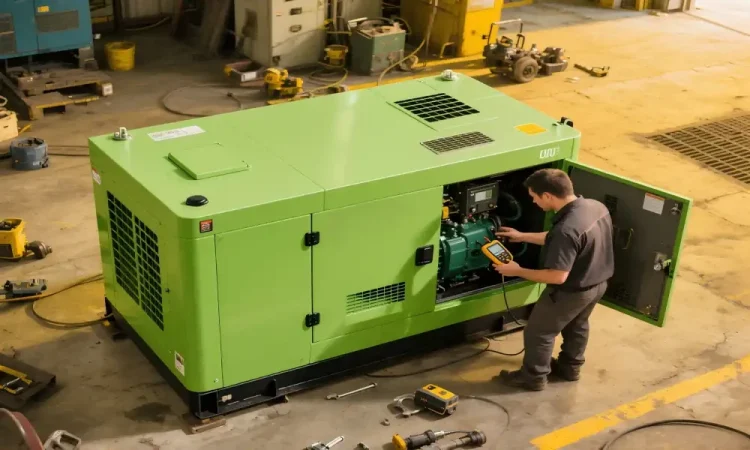

A single machine the size of a shipping container can keep an entire hospital wing working through a blackout. That is the kind of output a 500kva generator delivers on a typical day. Factories, data centres plus major events depend on units this large. Yet raw capacity tells only part of the story. Fuel consumption decides how many hours the power actually continues. Understanding both numbers helps teams avoid shortfalls when demand peaks.
Translating kVA Into Usable Kilowatts
kVA shows the total electrical capacity a unit can supply. Equipment, however, is rated in kW. At the standard rating factor of 0.8, 500 kVA equals about 400 kW. That 400 kW figure is the one to compare against your connected load.
Facilities Needing This Capacity
Hospitals use this size to protect operating theatres plus critical wards. Mining operations rely on it in remote areas without grid connections. Large construction projects need it for cranes, hoists plus site offices. Shopping centres often keep one ready for sudden outages.
Equipment It Can Supply Together
Around 400 kW covers a surprising mix of heavy equipment. These examples show what one unit might handle at the same time.
· One tower crane alongside multiple cabins under bright floodlights.
· Commercial kitchens, lifts plus lighting across a midsized hotel.
· Critical wards inside a regional hospital during grid failures.
· Server rooms including their cooling units at compact data centres.
· Large pumps moving fresh water supply toward small towns.
· Factory production lines operating presses, conveyors or welding stations.
· Stage sound, giant screens or lighting rigs at festivals.
· Shopping centre escalators, refrigeration or air conditioning amid outages.
Fuel Use at Different Loads
At full load, this capacity burns roughly 100 to 110 litres of diesel each hour. At three quarters load, hourly use drops to around 80 litres. Half load needs about 55 litres hourly. Loads below 30 percent waste fuel plus risk engine buildup.
How Many Hours Does One Tank Usually Last?
Operating time depends on two things: tank size plus load. Many containerised units carry built in tanks of around 1000 litres. At full load, that lasts roughly nine to ten hours. At half load, the same tank stretches to about eighteen hours.
External bulk tanks extend this much further. A 500kva generator connected to a large external tank can operate for days between deliveries. Fuel suppliers often schedule regular top ups for long projects. Monitoring systems also send alerts before levels fall too low. Planning deliveries around real consumption prevents unexpected shutdowns. Weekend coverage needs particular attention.
Servicing During Extended Operation
Continuous operation still requires regular servicing. Oil plus filters usually need changing every 250 to 500 hours. Many rental providers schedule technicians automatically during long contracts.
Runtime Estimates by Tank Size
| Tank Size | Full Load (about 105 L per hour) | Three Quarter Load (about 80 L per hour) | Half Load (about 55 L per hour) |
|---|---|---|---|
| 500 litres | About 5 hours | About 6 hours | About 9 hours |
| 1000 litres | About 9.5 hours | About 12.5 hours | About 18 hours |
| 2000 litres | About 19 hours | About 25 hours | About 36 hours |
| 5000 litres external | About 48 hours | About 62 hours | About 90 hours |
These figures are estimates based on average diesel consumption. Real results vary by engine model, temperature plus load changes.
Questions Facility Teams Commonly Ask
· How many kilowatts does 500 kVA provide? Roughly 400 kW at the standard rating factor of 0.8.
· Can it back up an entire office tower? Usually only part, depending on lifts plus cooling demand.
· How quickly does supply return during an outage? Automatic transfer switches typically restore power within about ten to fifteen seconds.
· Does it need a special foundation? A level, firm surface able to carry several tonnes is required.
· How noisy is a containerised unit? Soundproofed containers keep noise moderate, though distance from homes still helps.
· Should I rent or buy for a six-month project? Renting usually costs less once servicing plus transport are included.
Capacity Means Little Without Fuel Planning
About 400 kW covers hospitals, factories plus large events comfortably. Fuel use climbs sharply as load increases. Tank size therefore decides how long supply continues. Matching both figures to real demand avoids costly surprises.
Consistent Checks Protect Every Shift
Dependable electricity comes from routine attention rather than impressive specifications. Log diesel levels at every shift change. Record load readings so patterns become clear over weeks. Book servicing before it becomes urgent. Small checks repeated faithfully will protect operations better than chasing a flawless setup.